
Welcome to the Migration Station Landing Page
DESIGNATED POLLINATOR PROTECTED GARDEN SIGNS
-
A Migration Station is a designated pollinator protected garden, welcoming local invertebrates to feast from indigenous flowers. Whether corporate or residential, the occupants pledge to keep their pollinator status by maintaining a nectar-rich garden of species native to their region and saying no to harmful pest-control practices.
-
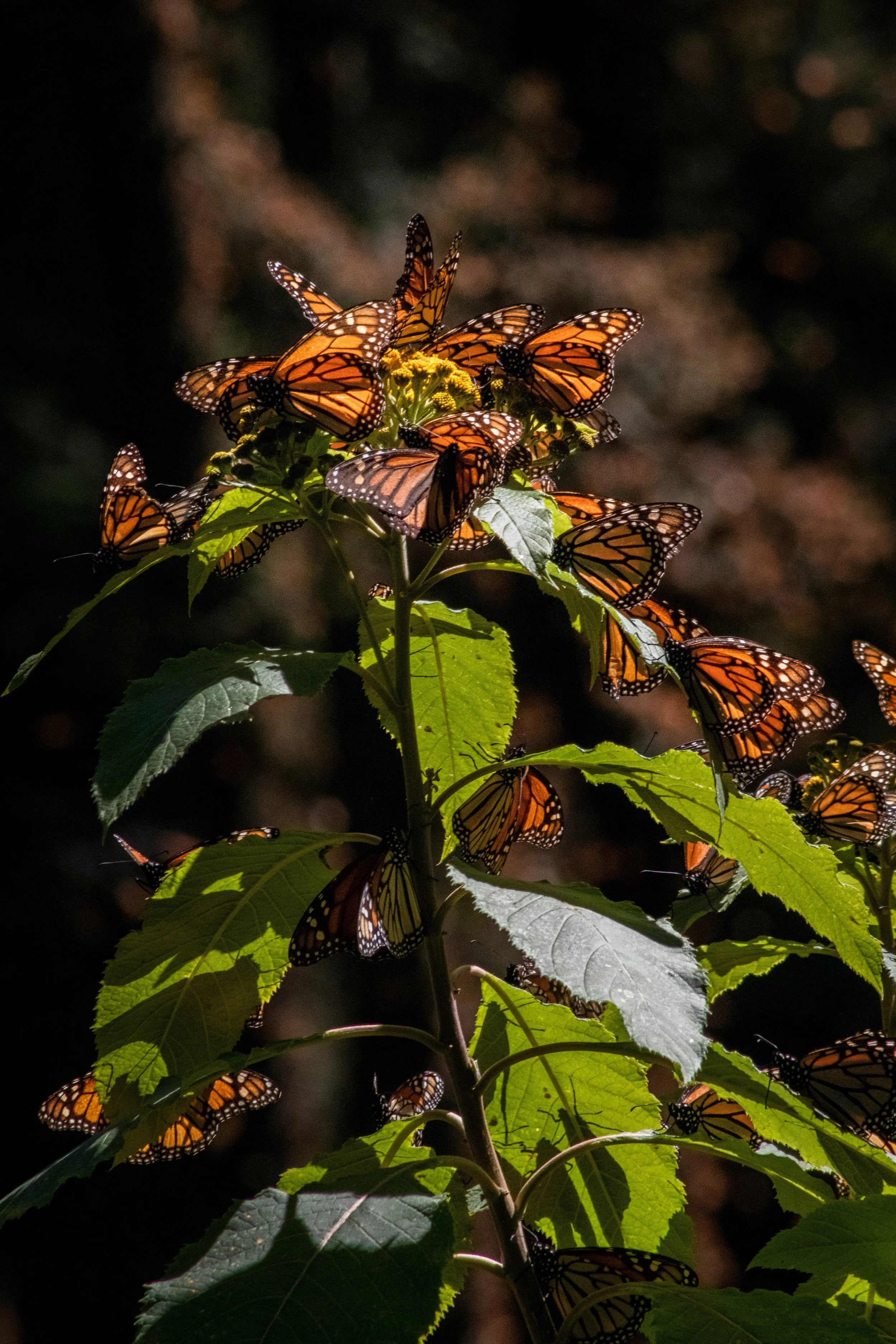
A Naturalists Arise Migration Station is easily recognized by its vibrant orange sign. 10” square with a Monarch butterfly and QR code front and center. The code links the viewer to this landing page to share with them what you’re doing and how they can get involved, too! Your sign includes a metal post for easy installation.
A 3,000 mile journey. You can’t bring a lunch box and there are no restaurants along the way. You depend upon the kindness of others to feed you, but there’s a catch — you can’t communicate with those most able to help you.
This is the way of the Monarch butterfly. Like other pollinators pending threatened and endangered status, the Monarch butterfly is in need of your help. By simply planting one of three varieties of Milkweed on your property, you can provide food for Monarch caterpillars. And adding any nectar-rich flowers to your garden will attract and help save all major pollinators.
Out of hundreds of thousands of plants, the Monarch caterpillar can eat only one species — Milkweed. That is why adding Milkweed, specifically, to your garden will ensure the Monarchs survival. Industrialization has undoubtedly harmed most species, but our pollinators — Honeybees, Monarchs, and other winged invertebrates are essential to our food system. We require their assistance to eat, so we should reciprocate by providing them with nutrient dense gardens to sustain them along their migratory paths. The simplest way to do this is by setting aside a bit of real estate to plant indigenous flowering plants. After a few seasons, you may also find hummingbirds flitting about your neighborhood. A thriving ecosystem attracts all sorts of wanted visitors to your yard!
MONARCH ESSENTIALS:
Purple Milkweed (Asclepias purpurascens)
Swamp Milkweed (Asclepias incarnata)
Butterfly Milkweed (Asclepias tuberosa)
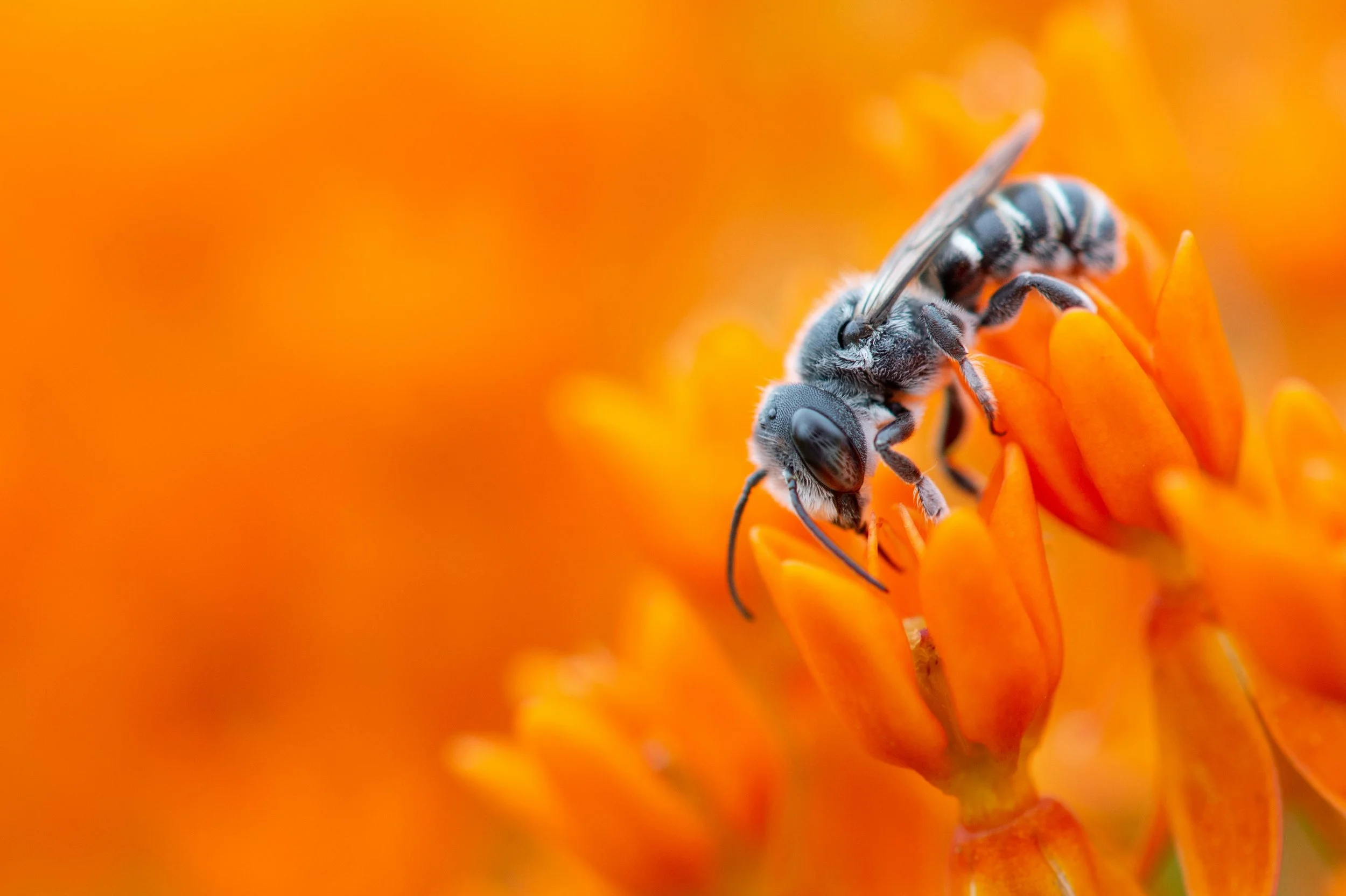
Because the Monarch can only lay her eggs on Milkweed, it is a good idea to have multiple Milkweed plants. Moths, butterflies, bees, and even beneficial beetles all love Milkweed!
Other pollinator favorites include:
Greggs Mistflower, Echinacea, Lavender, Sunflowers, Zinnias, Bee Balm, and a variety of native flat and cone flowers for your region.
I highly recommend checking out the North American Butterfly Association (NABA) for more detailed planting and gardening tips. https://naba.org/
I was eight years old the first time I ever witnessed the Monarch migration. We’d been living at our farm for just under a year — there were so many glorious firsts in nature observation, this particular event of especial awe.
Our front yard trees were alive with thousands of butterflies. Winged branches slowly opening and closing for hours on end. Like all natural phenomena, it was truly magical. Our adjacent pastures were filled with Wild melons, Sand Hill Plums, Milk Thistle, Queens Lace, Silphiums, Coneflowers, Sunflowers, Indian Paintbrushes and Milkweed — a textural, natural prairie, grazed and fertilized by cattle. Foxes, rabbits, badgers, turkeys, deer, bumblebees, coyotes, amphibians, owls, barn sparrows, and the occasional bobcat kept my childhood wild.
Yet even in the midst of this glory, incongruous industrialized farming methods took place all around us. Crop dusters dropped harmful insecticides, seeping into the groundwater and affecting nearby vegetation. And the land was never allowed time to rest. It was wheat this season and maize the next. Fields of cotton, corn and soy were treated in the same manner, with no patience granted toward the ground from which we gleaned such bounty. As I aged, it struck me as odd that our food system should be so disrupted by chemicals and hurriedness in this way. Wasn’t the intent to keep our prairies and farmlands safe? To allow them to produce their abundance in God’s intended timeframe? These paradoxes and injustices toward creation have caused me to rise as a naturalist in my adult years.
You can join, too, regardless of where you live. There is no action too small to make positive change. Enlarging safe territories for pollinators is an easy way to make a big impact.
Naturalists Arise Pollinator Protected Property Sign
With a Pollinator Protected sign in your yard, everyone can clearly see you’re serious about reclaiming the local ecology for the benefit of your community. From the neighbor’s pest control technician, the solicitors at your doorstep, to your family and friends when they visit, everyone will be able to snap a photo of your QR code to route them to this very page for all the details they need to know. It allows you to participate in pollinator activism with ease — just plant Milkweed, a few other nectar-rich flowers, and add your sign. All done. Ready to get started today? You can purchase your sign below.
**Signs are made in batches of 36. If purchasing in bulk, please contact Meg prior to discuss price and timetable.
Click the Sign link below for additional details.